Living with an EV in 2025: Real Stories from Wallbox Pulsar Plus Homeowners in New York
What it’s really like to charge an EV at home: Two New York drivers share their experience
Thinking about an electric vehicle but still wondering what day-to-day life looks like? We recently spent time in New York meeting two Pulsar Plus owners – Steve (Beacon) and Luke (Smithtown) – to get their honest, lived-in answers: why they made the switch to electric, how they charge, what EV charging features they actually use, and how a home charger changed their routines.
Below, they break down the real-world realities of EV ownership.
Meet Steve and Luke: Everyday EV owners in the U.S.
Steve, 34, bought a short-range EV for everyday driving and convenience. He and his partner wanted something low-cost to run and easy to live with (their cats approved).

“Wallbox made the transition to electric seamless , it reduced the intimidation and made owning an EV accessible.”
— Steve, Wallbox customer
Luke, 43, was motivated by the environment and the efficiency of EVs (plus, he’s a coffee lover who appreciates simplicity and good design).

Both picked the Wallbox Pulsar Plus as their home EV charger. Why? It came down to its price, smart features, and utility rebates – but also the seamless way the Pulsar Plus folds into their daily lives (and smart homes).
Why they switched, and why a home charger was non-negotiable
Steve’s decision was practical: an aging gas car, lower running costs, and a lifestyle that fit a short-range EV. He liked that Wallbox paired with his new Nissan and that the Pulsar Plus integrated with his smart home. Rebates from his electric company sealed the deal.
Luke’s choice was values-driven: “doing the environmentally friendly thing.” He also wanted the convenience and speed of a Level 2 charger after years of slow, 120-volt trickle charging.
Both said the home charger removed friction: no more searching for public chargers, no extra trips to retrieve a car, and the peace of waking up to a full battery every morning.

A day of charging at home: When, how, and why they plug in
Overnight charging is king. Both owners schedule the Pulsar Plus to charge overnight to take advantage of lower rates and to wake up with a fully charged car.
Steve:
- Plugs in each evening, uses the Wallbox app’s scheduling feature to align with off-peak rebate windows.
- Uses the charger every day because their vehicle has a shorter range.
“I wake up to a full charge…we typically plug in at night and set the schedule on our Wallbox app.”
Luke:
- Charges mostly during “super off-peak” (10pm–6am) to maximize savings and reduce strain on the grid.
- He sometimes reduces the amperage (e.g., from 40A to 30A) to be gentler on the battery, yet still finish within the off-peak window.
- Says switching from Level 1 to a Level 2 Pulsar Plus charger “reduced range anxiety” and made owning an EV feel like a seamless part of his routine.
Bottom line: home charging = reliable daily range + predictable costs.
The features they actually use (and love)
Both owners highlighted smart features that truly changed behavior (not just bells and whistles).
Wallbox app & Scheduling
Steve: “The scheduling feature is very easy – set it and forget it.” He uses it to guarantee charging happens within the rebate window and to avoid high-price hours. The app also lets him estimate daily and monthly charging costs.
Energy monitoring & cost projection
Steve is a numbers person: he inputs his electricity rate and watches usage and estimated costs in the app. That visibility helped him compare electric vs. gas costs and plan a yearly budget.
“Wallbox is literally the only visibility I have to that type of information,” Steve says, because his EV is a base model and lacks manufacturer energy data.
Solar & dynamic load management
Luke pairs his Pulsar Plus with rooftop solar. He charges late at night and occasionally feeds excess solar back to the grid, optimizing economics. Both owners praise dynamic load management (DLM) – particularly useful where house circuits are limited or multiple EVs could be present.
Design & convenience
Luke pointed out small but meaningful details: a long charging cord, minimalist, compact design, and reliability. These elements make daily life easier and the charger more shareable when friends visit.
Money talk – are you actually saving?
The short answer: yes.
Steve compared his old gas convertible (~$120/month) to his EV – now around $40/month in charging, a nearly $80–100 monthly saving from the car swap alone. He also receives a quarterly rebate for off-peak charging (he estimated $30–$50 per quarter) and an installation rebate (up to $1,500 in New York).
Luke estimates he saves hundreds, possibly up to $1,000 a year through optimized charging windows, solar integration, and behavior changes.
Smart charging + home energy visibility = real savings that frequently offset the charger cost over time.
Like Steve and Luke discovered, incentives can dramatically reduce the cost of installing a home EV charger, but finding them isn’t always straightforward.
That’s why Wallbox offers an EVSE Incentives Search Tool, which helps drivers quickly identify local, state, and utility rebates available for home charging installations across the U.S.
🔍 Wallbox EVSE Incentives tool
By entering your location, you can see what incentives may apply before you buy or install, making it easier to plan and maximize savings from day one.

Real-world benefits beyond dollars
Both owners stressed benefits you can’t always quantify:
- Reduced stress. Luke: “A lot less anxiety about range.”
- Convenience. No late-night hunts for chargers; your garage becomes your daily “fueling station.”
- Sustainability. For Luke, charging on clean electricity aligns with his environmental goals. For Steve, scheduling to match cleaner grid windows also mattered.
“If my friends were considering a home charger, I’d definitely point them to Wallbox.”
Their advice for first-time EV buyers and home charger shoppers
- Check utility rebates before you buy – they can cover installation and even offer ongoing credits. Steve got a local rebate and a quarterly program.
- Schedule your charging to off-peak windows – the Wallbox app makes this painless.
- Think smart home integration if you like automation – triggers and sensors can start charging when you arrive, or pause it when you need power elsewhere.
- Consider solar integration if you have panels – it can lower your net energy cost and boost sustainability.
- Hire a certified installer – both owners said their installations were quick and professional.
“My Pulsar Plus is simple, elegant, and easy to use.”
Why the right home charger changes everything
If you’re considering an EV, the decision often hinges on charging. Steve and Luke’s stories show that a well-chosen home charger and smart app features transform EV ownership from a logistical challenge into a convenient, cost-effective routine. The Pulsar Plus isn’t just a piece of hardware, it’s the bridge between a car and daily life: reliable overnight charging, meaningful energy insights, and the flexibility to act on rebates and renewables.
Thinking about making the switch? Start with a chat about utility incentives, pick a Level 2 charger like the Pulsar Plus, and plan your install so your garage becomes your favorite fuel stop.
Ready to simplify your EV ownership?
Learn more about the Pulsar Plus and how Wallbox can make charging effortless at home.
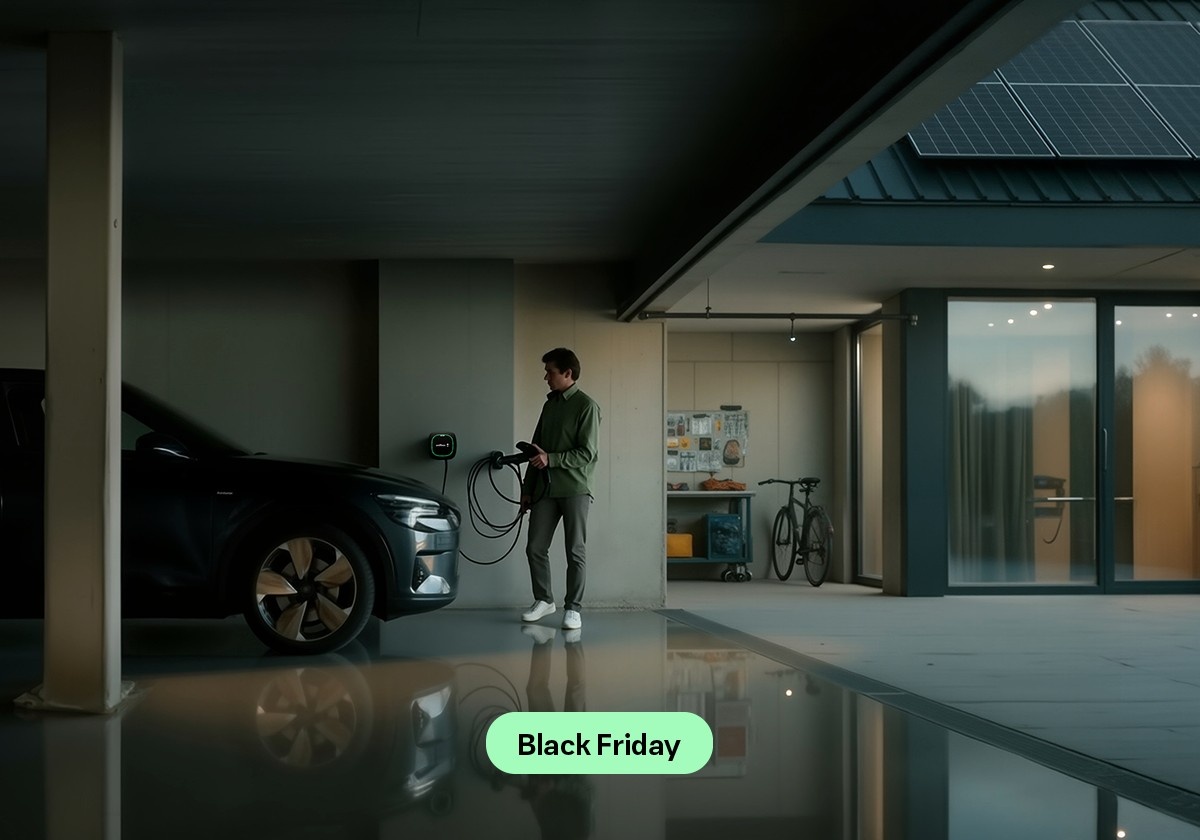
Black Friday Is the Smartest Time to Invest in Home EV Chargers: Save with Pulsar Plus

A Day in the Life With Wallbox Pulsar: EV Home Charging Made Effortless