EV Charging Trends in the UK for 2026: From Early Adoption to Everyday Normal
The UK has crossed an important threshold: electric vehicles are no longer a niche choice – they’re a mainstream one.
As we enter 2026, the conversation amongst drivers is shifting from “Can I live with an EV?” to “How do I make it work best for me?”
Here’s how EV charging and driving are predicted to evolve across the UK this year.
Home Charging Remains the Heart of EV Ownership in the UK
Despite growing public infrastructure, home charging remains the primary charging method for UK drivers.

Most EV owners charge:
- Overnight
- At lower off-peak electricity rates
- With Level 2 AC chargers between 7–11 kW
Smart chargers are now expected to do more than deliver power. Drivers want visibility, control, and cost optimisation.
Wallbox’s Pulsar Max enables this and more – delivering up to 22kW (for up to 10x faster charging) and allows users to:
- Schedule charging automatically
- Balance household loads
- Use solar energy when available
In a country where energy costs matter, smart charging is essential for EV owners.
Apartment & On-Street Charging Gains Momentum
While home charging dominates, the UK is finally making meaningful progress on shared and on-street solutions.
Key developments for 2026 are likely to see:
- Easier installation rules for renters
- Growth in shared residential charging
- Workplace charging expansion
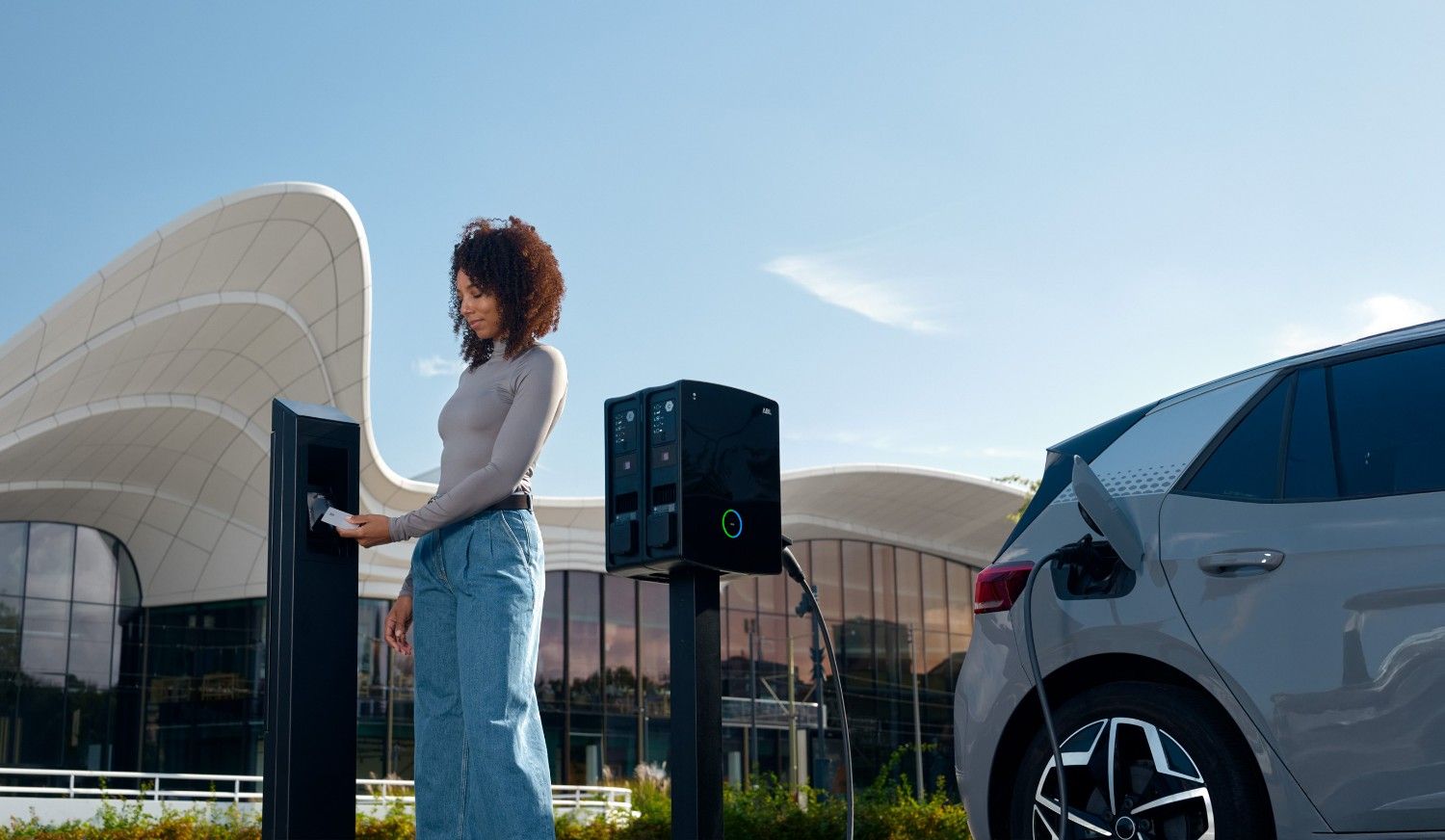
Wallbox Pulsar Pro is designed for these everyday shared environments, with easy user authentication, built-in connectivity and secure data handling – ideal for apartments, workplaces and semi-public parking.

Solutions like the Pulsar Pro that allow multiple drivers to charge fairly and securely, without overloading building infrastructure, will be critical as EV adoption spreads beyond detached homes.
Motorway Fast Charging Becomes Predictable
For years, motorway charging defined UK EV anxiety. As 2026 begins, that anxiety is largely gone.
Drivers now expect:
- Ultra-rapid chargers every 30–40 miles
- Reliable uptime
- Simple payment experiences
High-power DC chargers, such as Wallbox Supernova, support this shift – designed for continuous use in retail and motorway environments.
Fast charging will no longer be the exception; it’s already part of the plan.
Range Anxiety Fades as Route Planning Gets Smarter
In 2026, range anxiety is no longer a question of battery size, but rather confidence in the route.
Modern EV navigation systems now factor in real-time charger availability, recommend optimal stops based on charging speed, and work seamlessly with charging platforms like Electromaps. Covering 130+ countries and 47,000 cities, Electromaps gives drivers access to over 565,000 charging points across Europe, making cross-border travel simpler than ever.
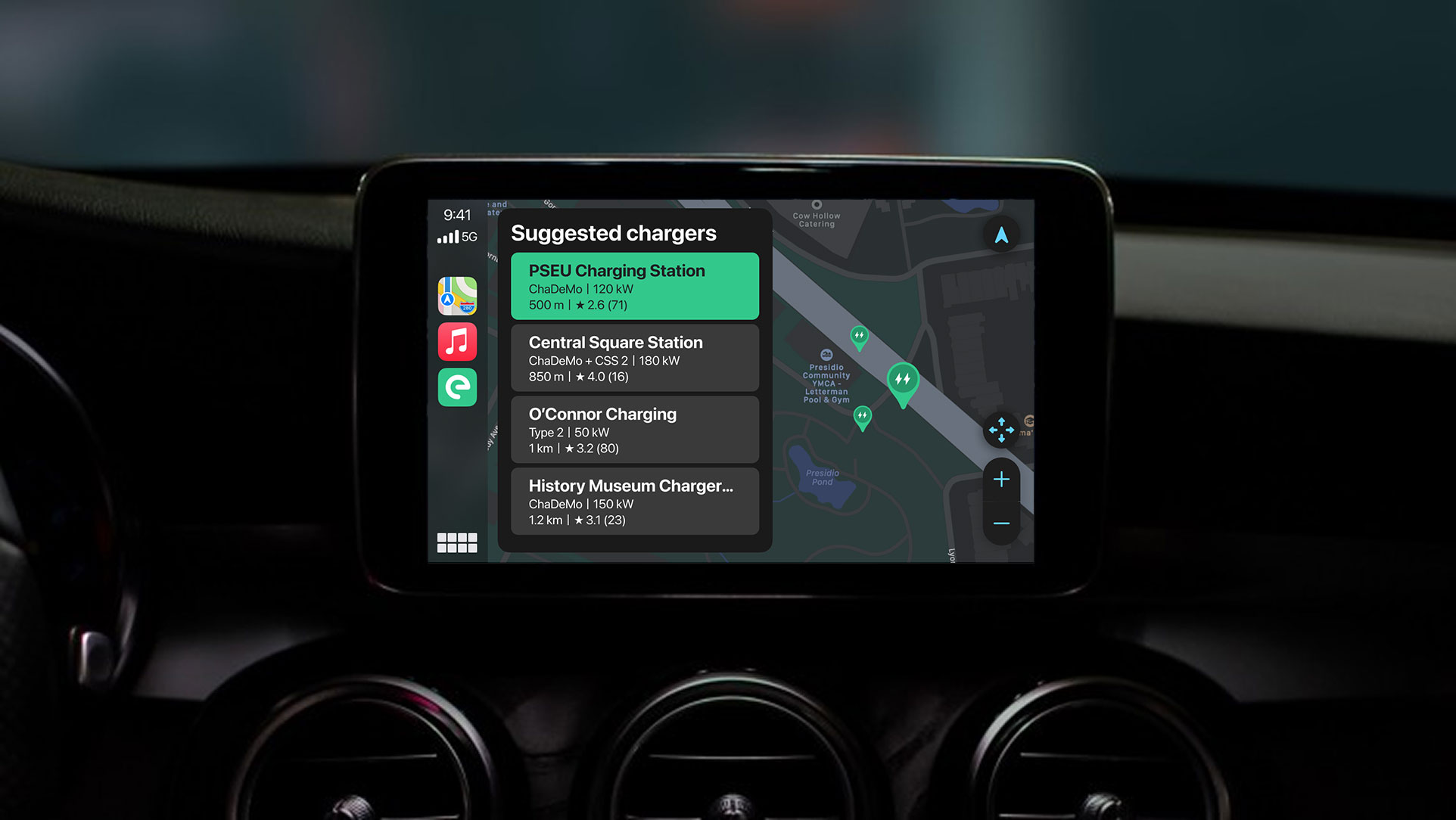
With Apple CarPlay and Android Auto integration, Electromaps also complements in-car navigation, helping drivers plan trips smoothly and avoid unnecessary detours.
With most European EVs now exceeding 400 km of real-world range, and an increase in dense fast-charging coverage – drivers will plan longer journeys around where they want to stop, not whether they’ll be able to charge.
EVs Become Part of the Home Energy System
British EV drivers are increasingly thinking beyond the car itself.
In 2026, charging decisions will be tightly linked to the home’s wider energy setup – including time-of-use tariffs, solar generation, and overall household consumption.
With EV-friendly tariffs from providers like Octopus Energy and Scottish Power, drivers who charge overnight can potentially pay as little as 7–9 pence per kWh, making home charging dramatically cheaper than petrol or public fast charging.
Wallbox’s connected ecosystem and top-rated app help drivers take full advantage of these tariffs by automatically scheduling charging when electricity is cheapest, while giving clear visibility into energy use across the home. More than convenience, charging becomes a smart part of everyday energy management.
Final Thought: EV Driving in the UK Is Settling In
The defining EV trend in the UK for 2026 is normalisation.
Charging fits into daily life.
Public infrastructure feels dependable.
Smart home solutions handle the complexity.
Owning an EV no longer requires compromise, and that’s when adoption truly accelerates.
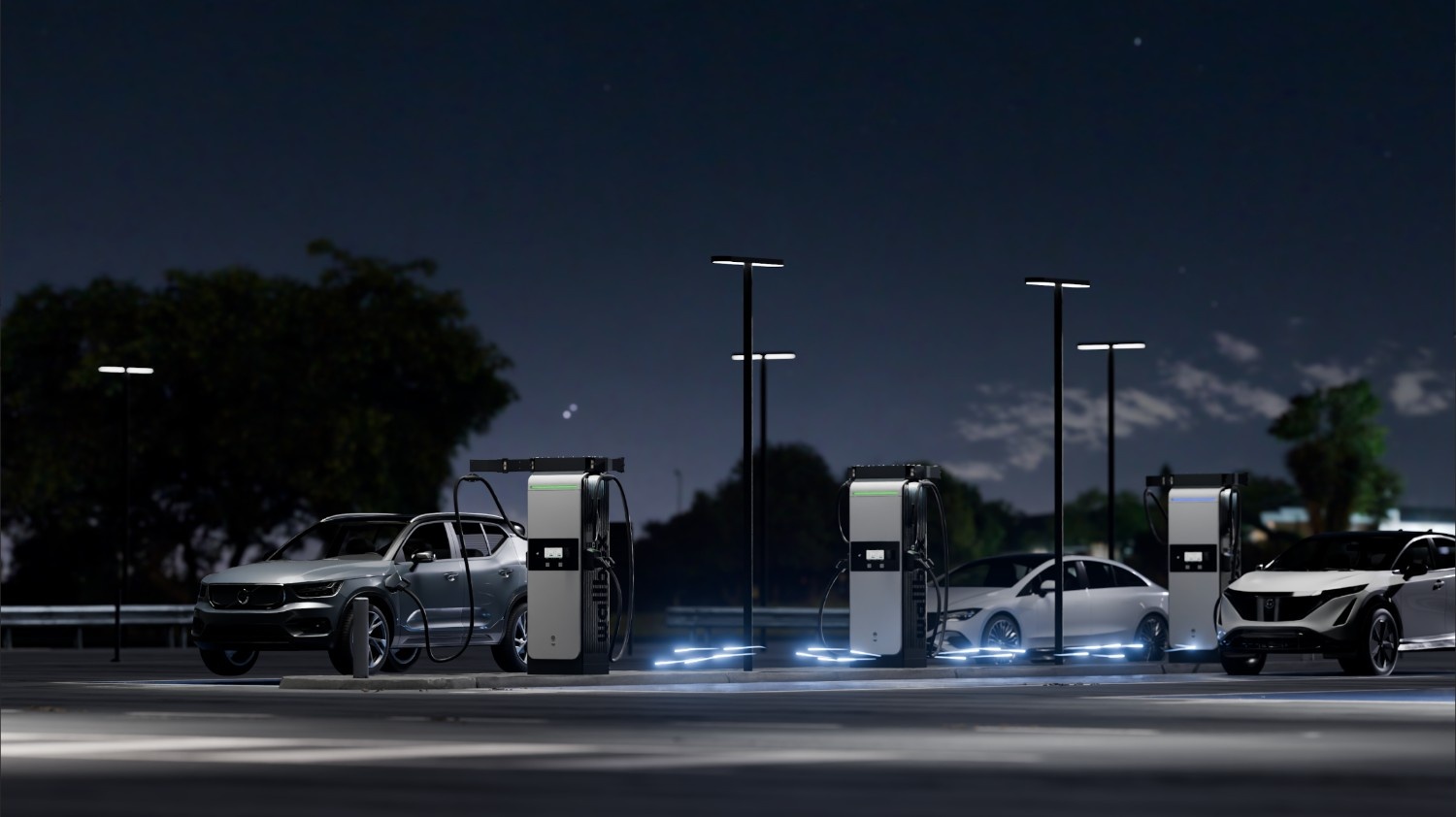
Supernova PowerRing: The Next Chapter in High-Power Fast Charging Innovation
£63M Boost for UK EV Charging: What It Means for Drivers, Councils, and Fleets
