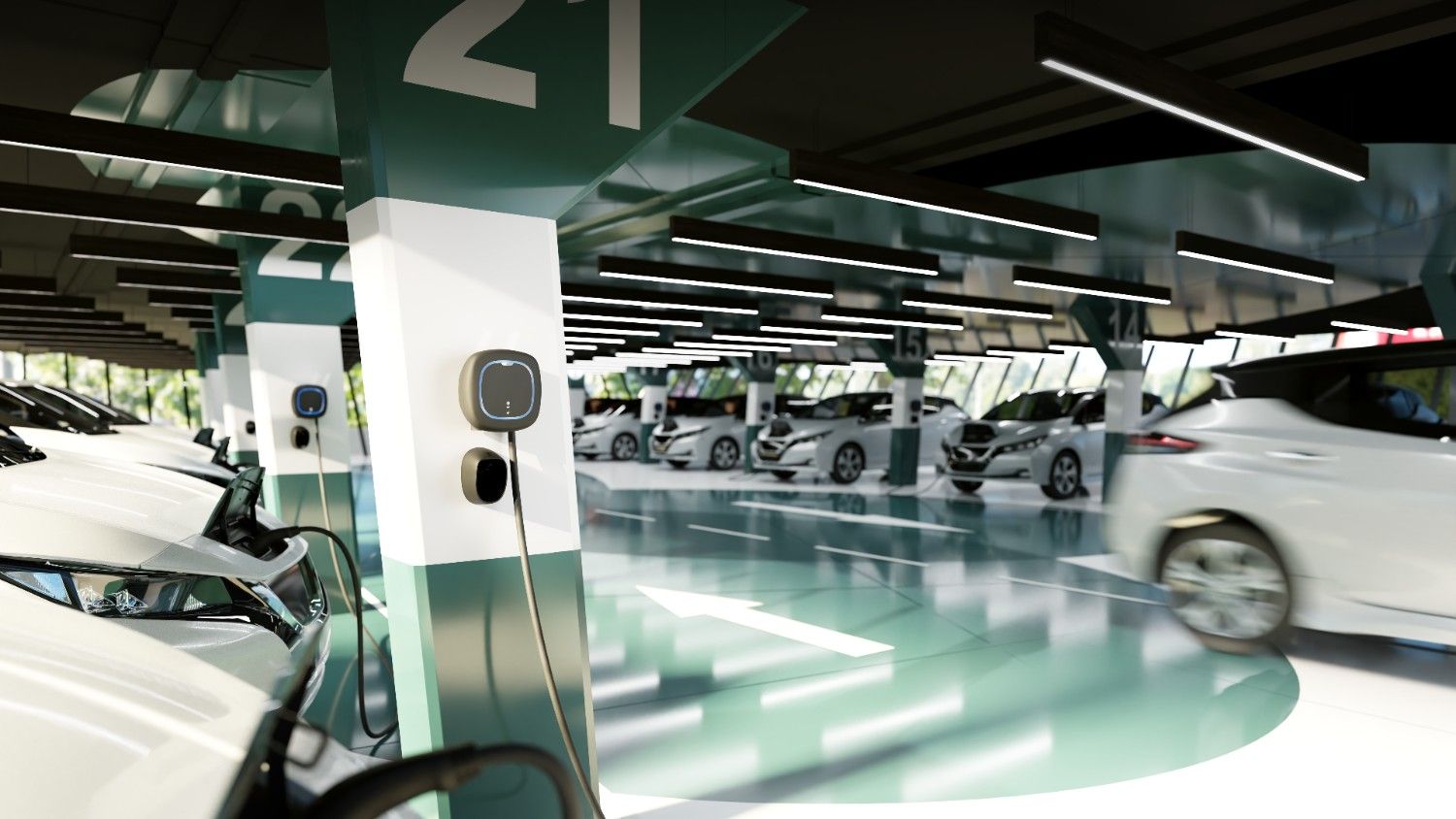
Home EV Charging 101: Everything You Need to Know Before You Buy
The EV revolution is here, and for many that first electric car brings one big question: how do I charge it at home?
The truth is, home charging is the most convenient, affordable, and sustainable way to power your EV. Imagine plugging in overnight and waking up to a full “tank” every morning. No need for queues or unnecessary detours, you can simply enjoy seamless charging built around your life.

But before you buy, here’s everything you should know – from how home EV chargers work, to what makes Wallbox Pulsar Max one of Europe’s smartest, best-selling home chargers.
Why Home Charging Is a Game-Changer
A home charger turns your driveway into your personal fueling station, available 24/7 and powered by the cleanest energy you choose.
Compared to a regular household socket, a dedicated Level 2 (Mode 3) charger can add up to 10× more range per hour, delivering 40–120 km in the same time it takes a wall socket to add barely 20 km.
And the benefits don’t stop there:
- Convenience: Plug in each night, forget about finding a public station or waiting in lines.
- Savings: Charge during off-peak hours for cheaper rates.
- Sustainability: Integrate solar panels and use 100% renewable energy.
According to the European Alternative Fuels Observatory (EAFO), over 70% of EV charging already happens at home, proving just how central residential charging is to Europe’s EV ecosystem.
What to Look For in a Home EV Charger
Home chargers aren’t all equal, the best ones think for you. So when comparing options, look for features like:
- Smart App Control: Schedule, track, and optimize charging right from your phone.
- Dynamic Load Management: Prevents power overloads by balancing energy across your home’s devices.
- Solar Integration: Prioritize solar energy for the most sustainable charge possible.
- Durability: Weatherproof design and impact-resistant housing for outdoor reliability.

How Much Does It Cost to Charge at Home?
Charging an EV at home is significantly cheaper than filling a petrol or diesel tank.
Take the Kia EV9, for example. With its 99.8 kWh battery offering up to 505 km of range, a full charge at the average European electricity rate of €0.25 per kWh costs around €25.
That’s roughly €0.05 per kilometre, compared to €0.12–€0.18 per kilometre for a petrol SUV of similar size – a clear win for both your wallet and the planet.
And if you use the Wallbox app to schedule charging during off-peak hours, you can save up to 30% on electricity costs, depending on your local tariff.
Meet Pulsar Max: Compact Power for European Homes
Small in size, big in performance. Pulsar Max delivers up to 22 kW of charging power while fitting discreetly into any home setup.

Here’s why it stands out:
- Up to 10× faster than a standard outlet
- Compatible with all Type 2 EVs, solar systems, and home energy managers
- Smart control via the top-rated Wallbox app (available on iOS & Android)
- Easy installation with quick-mount backplate means an installer can have it up and running in as little as 10 minutes
- Solar optimization allows you to charge using 100% renewable energy when available
- Available in both a tethered version (cable attached) for immediate plug-and-charge convenience, or a socket version for maximum flexibility (ideal for longer cables or multiple connector types).
And with its rugged IP55/IK10 enclosure, Pulsar Max is as tough as it is intelligent, built to handle any weather, year after year.
EV Home Charging Incentives Across Europe
The good news is: many European governments and utilities offer rebates and tax credits for installing home EV chargers. These incentives can significantly offset purchase and installation costs.
Here are a few highlights:
🇧🇪 Belgium
EVs enjoy registration-tax and annual circulation-tax exemptions or reductions, depending on region.
🇫🇷 France
Through Advenir, homeowners can claim up to €600 for installing a smart home charger.
🇩🇪 Germany
A new coalition agreement (Oct 2025) allocates roughly €3 billion to revive EV support for low- and middle-income households. The incentive may take the form of direct purchase grants (similar to the old Umweltbonus) or social leasing. Households with modest incomes (e.g. commuters earning up to ~€40–60 k/yr) will be eligible.
🇮🇹 Italy
The Bonus Colonnine Domestiche covers up to 80% of purchase and installation costs.
🇮🇪 Ireland
Through the SEAI Home Charger Grant you can claim up to €300 toward the purchase and installation of an approved smart EV charger.
🇪🇸 Spain
The MOVES III Plan offers rebates of up to 70% on the cost of chargers and installation.
🇸🇪 Sweden
The Klimatklivet Grant reimburses up to 50% of installation costs for residential chargers.
🇬🇧 United Kingdom
The EV chargepoint grant covers up to £350 off home charger installation.
These programs evolve regularly, so be sure to check your local incentives before buying, you might save hundreds!
The Bottom Line
Home charging is more than convenience, it’s the foundation of the electric lifestyle. It allows you to take control of your time, your energy, and your carbon footprint.With the Wallbox Pulsar Max, you’re not only buying an EV charger, you’re investing in smarter energy and long-term savings for years to come.
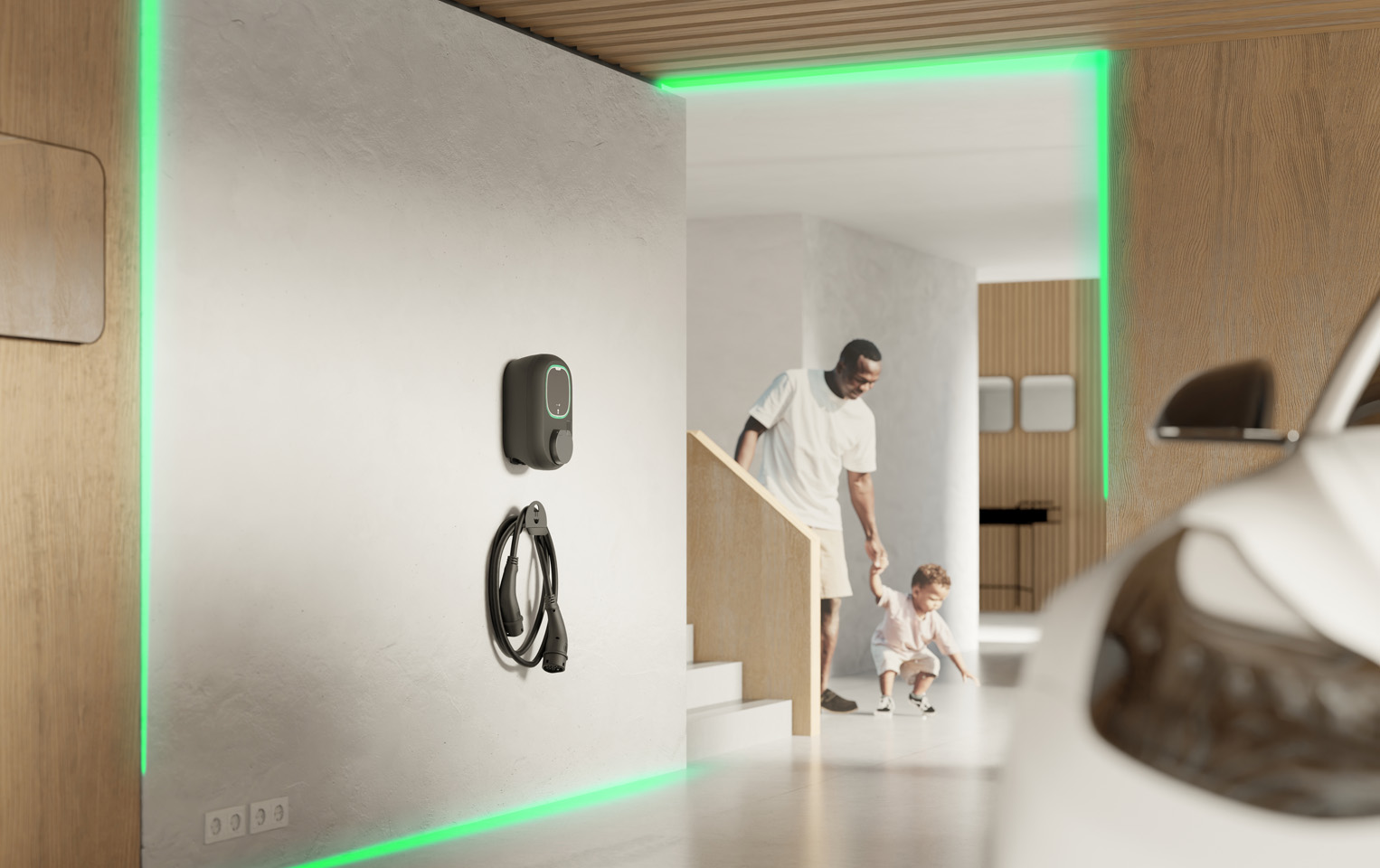
Charge Smarter, Spend Less: How Advanced Dynamic Load Management Can Cut Your Energy Costs

Unlock More from Every Charging Session with Wallbox’s Latest Smart Charging Features