EV Charging Trends in Europe for 2026: What the Next Era of Clean Driving Looks Like
Electric vehicles are no longer Europe’s future, they’re firmly its present.
As we enter 2026, EV ownership across the EU is defined less by early adoption and more by everyday practicality: smarter home charging, denser fast-charging corridors, and a growing expectation that charging should simply work.
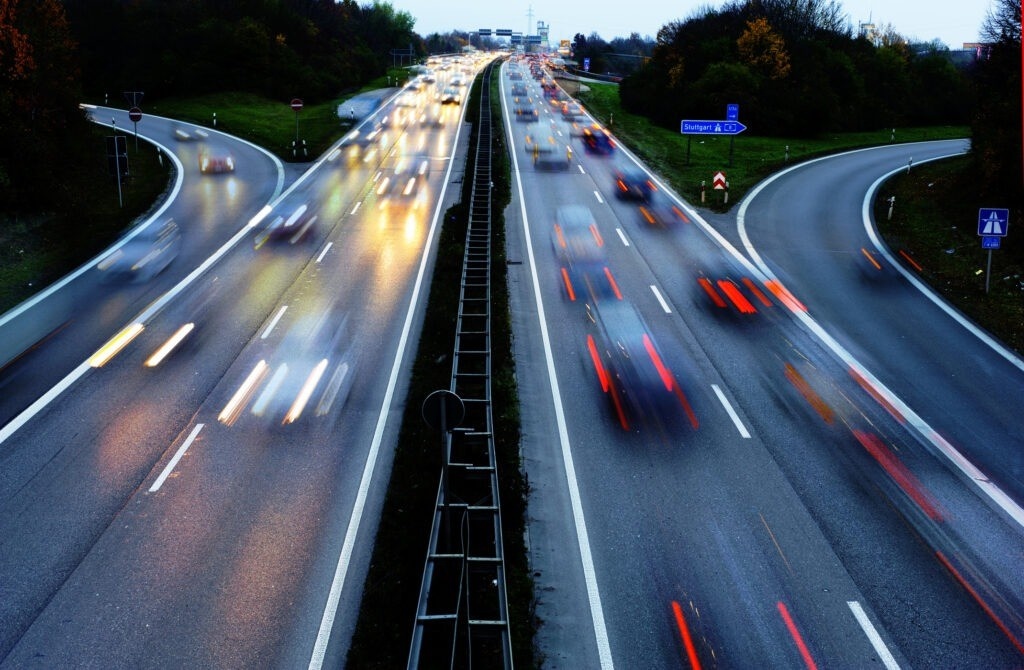
So what will EV driving in Europe really look like next? Here are the charging and driving trends predicted to shape the year ahead.
Smart Home Charging Becomes the Default for EV Drivers
For most European drivers, charging still happens at home – and in 2026, smart AC charging is no longer optional.
Level 2 AC chargers now offer:
- Faster charging
- Intelligent load balancing
- Integration with solar and home energy systems
Instead of charging whenever they plug in, drivers are actively optimising when and how they charge – using off-peak electricity, avoiding grid overload, and prioritising renewable energy.
Wallbox solutions like Pulsar Max are built for this reality, delivering up to 22kw (roughly 10× faster than a standard outlet).
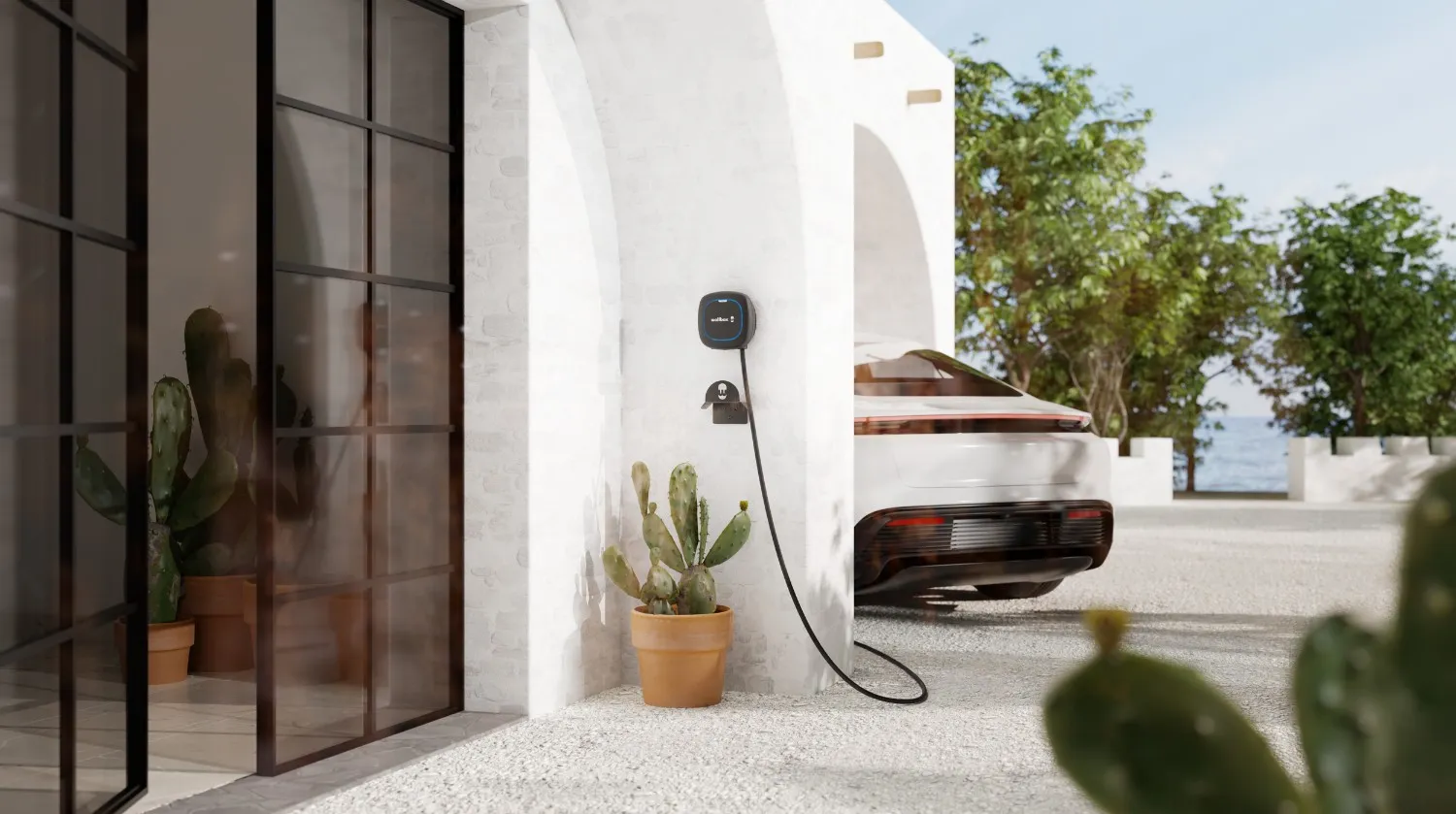
With dynamic load management, and solar charging modes seamlessly controlled via the top-rated Wallbox app, drivers can charge efficiently without upgrading their electrical connection – especially important across Europe’s varied grid infrastructure.
Apartment & Shared Charging Finally Scales Across Europe
One of Europe’s biggest EV hurdles, shared and apartment charging, is finally being solved at scale.
In 2026, we’ll be seeing:
- More buildings pre-wired to be EV-ready from day one
- Shared chargers with user authentication becoming the norm
- Intelligent power sharing making it possible for many drivers to charge from a single connection
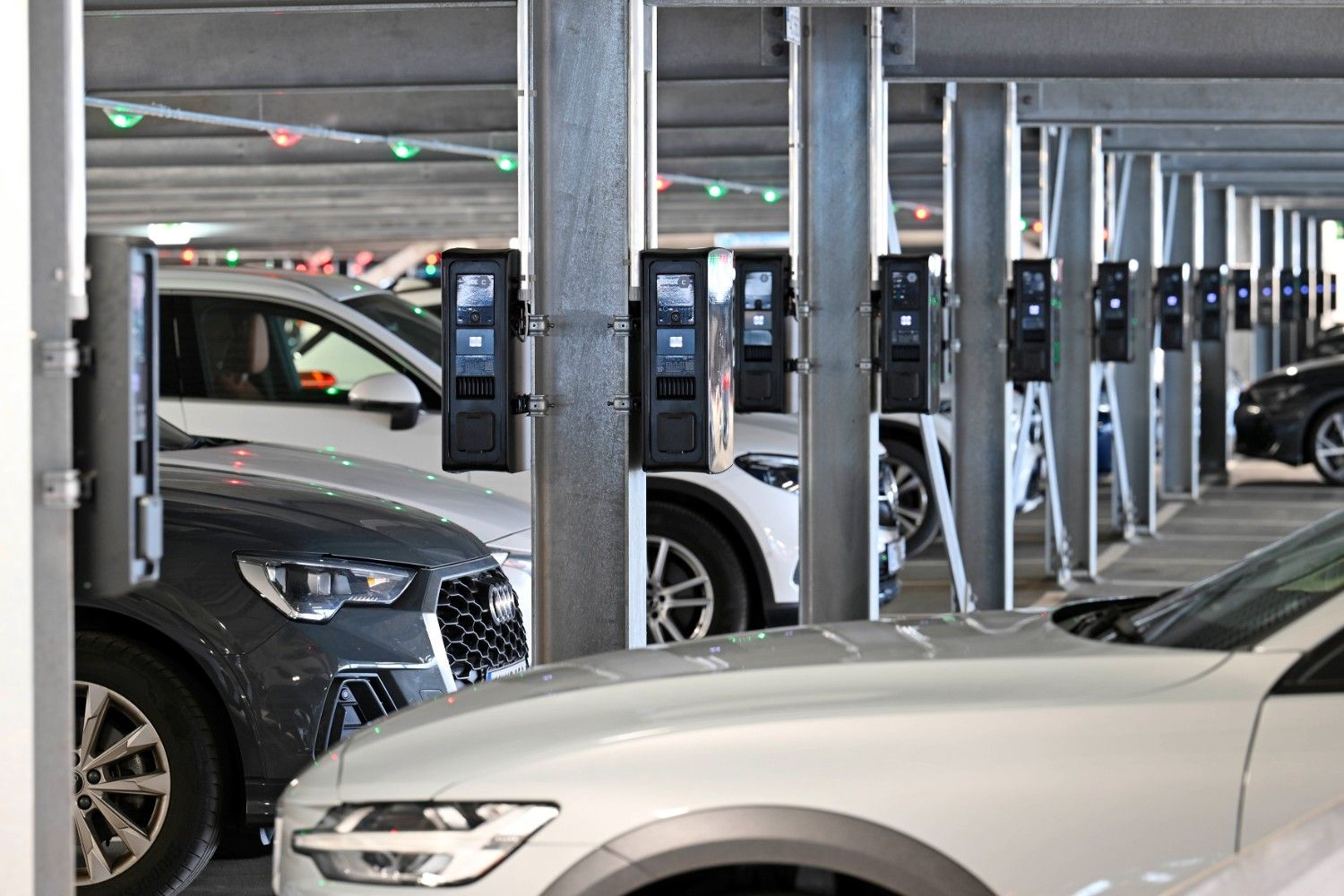
This shift comes as corporate fleets increasingly lead electrification. By 2030, company cars are expected to account for 60–70% of new BEV registrations in the EU, driven by lower total cost of ownership, CO₂ fleet targets, and favourable tax incentives.
Wallbox Pulsar Pro is designed for these everyday shared environments, enabling secure user authentication, accurate metering for home-charging reimbursement, and simple energy management – ideal for apartment buildings, workplaces, and small company fleets.
For larger commercial sites, eM4 Twin delivers scalable workplace charging with dual outlets, intelligently balancing power across multiple vehicles while reducing the TCO for medium and large fleets.
Together, these solutions make EV charging work not just for individual drivers, but for the shared residential and commercial ecosystems powering Europe’s next phase of electric mobility.
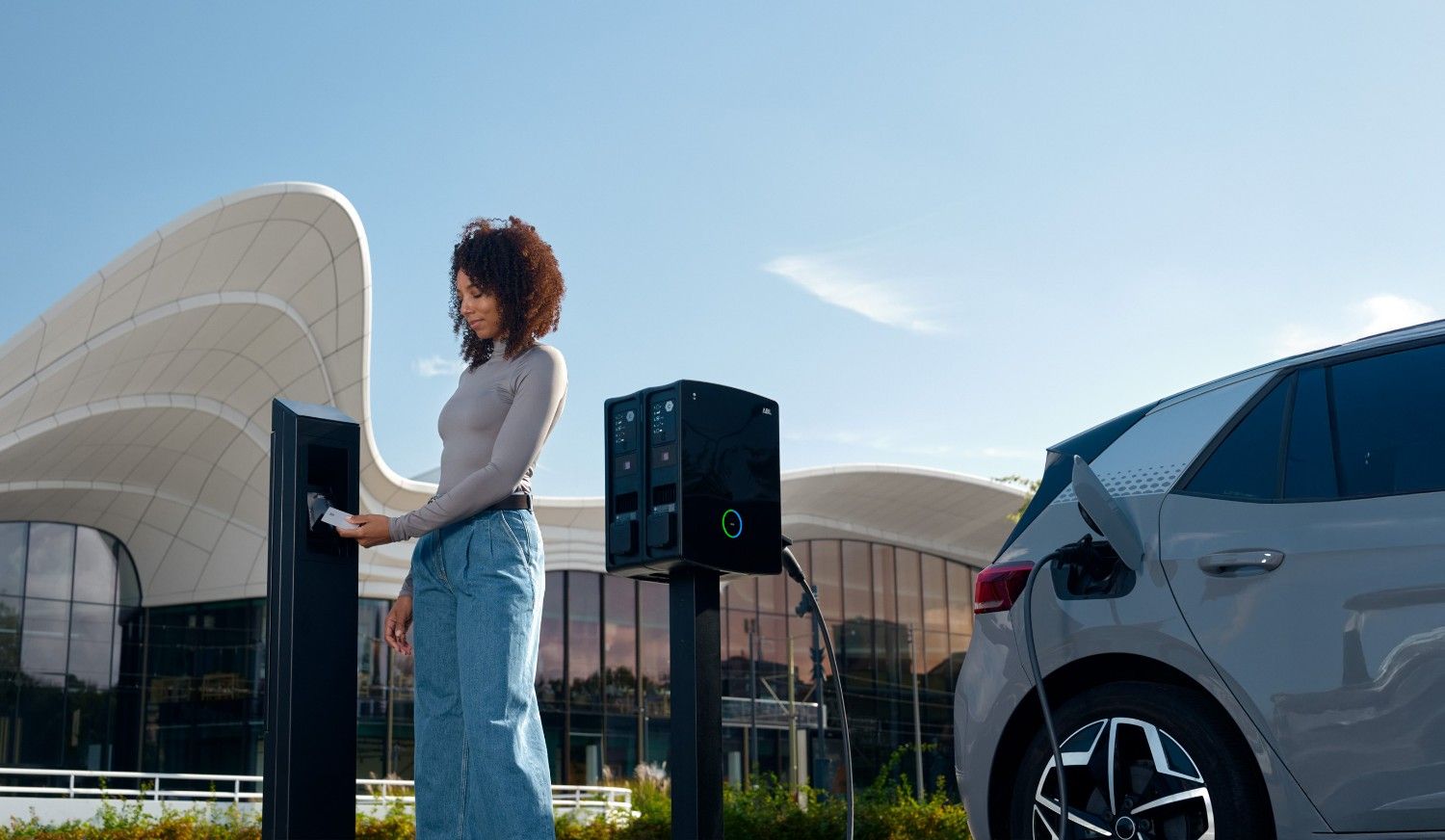
Public Fast Charging Shifts from Coverage to Quality
Europe’s public charging network has reached a turning point. The focus is no longer simply adding chargers, rather, it’s about deploying smarter ones.
Key 2026 trends are predicted to see:
- High-power, amenity-first hubs replacing isolated fast chargers
- 150–350 kW charging becoming standard on major corridors
- Greater emphasis on uptime, redundancy, and seamless payment experiences
At the same time, grid capacity is emerging as a defining challenge for fast-charging rollout. High-power DC chargers place significant demand on local grids, making intelligent energy management essential. Solutions must balance loads dynamically, maximise on-site solar generation, and integrate external energy sources such as battery energy storage systems (BESS) to avoid costly grid upgrades.
DC platforms like Wallbox Supernova are built for this reality – combining high-power performance with smart load management and energy optimisation for high-traffic sites. The result is fast charging that’s not only powerful, but scalable, grid-aware, and reliable – making long-distance EV travel across Europe feel planned and seamless, rather than uncertain.
Range Anxiety Fades as Route Planning Gets Smarter
In 2026, range anxiety is no longer a question of battery size, but rather confidence in the route.
Modern EV navigation systems now factor in real-time charger availability, recommend optimal stops based on charging speed, and work seamlessly with charging platforms like Electromaps. Covering 130+ countries and 47,000 cities, Electromaps gives drivers access to over 565,000 charging points across Europe, making cross-border travel simpler than ever.
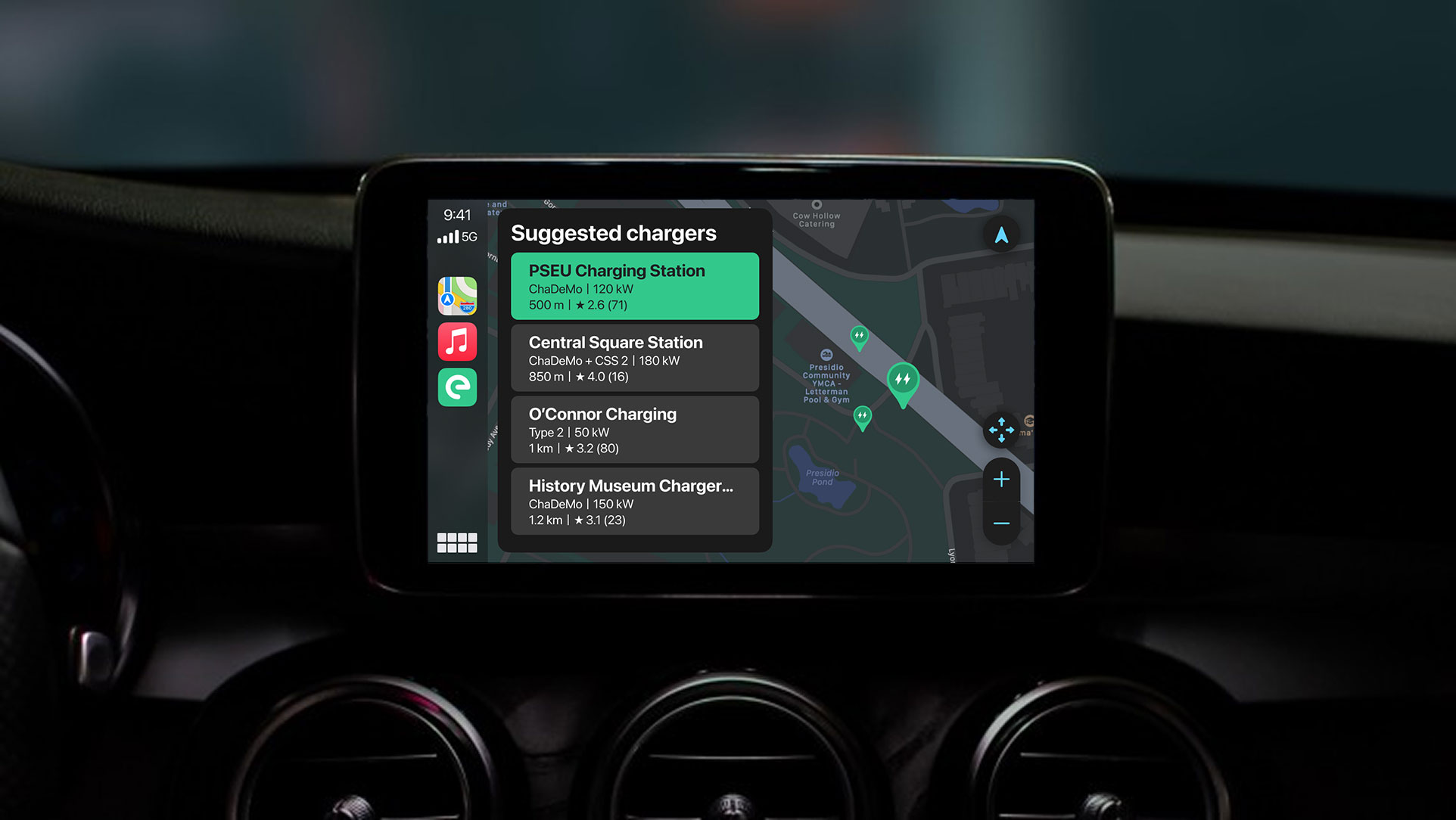
With Apple CarPlay and Android Auto integration, Electromaps also complements in-car navigation, helping drivers plan trips smoothly and avoid unnecessary detours.
With most European EVs now exceeding 400 km of real-world range, and an increase in dense fast-charging coverage – drivers will plan longer journeys around where they want to stop, not whether they’ll be able to charge.
Energy Management Joins the EV Conversation
In 2026, charging an EV is as much about energy freedom as it is about mobility. Unlike petrol cars – where drivers remain tied to fuel stations – EVs connected to intelligent energy systems give users control over when, how, and where they power their mobility.
Across Europe, EVs are becoming part of broader energy ecosystems:
- Solar self-consumption at home and at work
- Time-of-use optimisation to charge when energy is cheapest
- Grid-friendly load balancing what works around real-life constraints
This is where EV charging moves beyond hardware. Wallbox’s ecosystem – combining smart chargers, energy meters, and software-driven insights through the app – puts drivers in control of their energy, not the other way around.
Charging becomes seamless, automated, and tailored to everyday life, freeing users to charge on their own terms without sacrificing comfort, time, or reliability.
In this next phase of EV adoption, software isn’t an add-on, it’s what turns charging into true energy independence.
Final Thought: Europe’s EV Era Is About Simplicity
That said, we predict the biggest EV trend in Europe for 2026 to be about confidence.
Charging is predictable.
Routes are reliable.
Ownership feels intuitive.
With smart home charging, mature fast-charging networks, and energy-aware solutions, EVs now fit seamlessly into European lifestyles. And that’s what true adoption looks like.
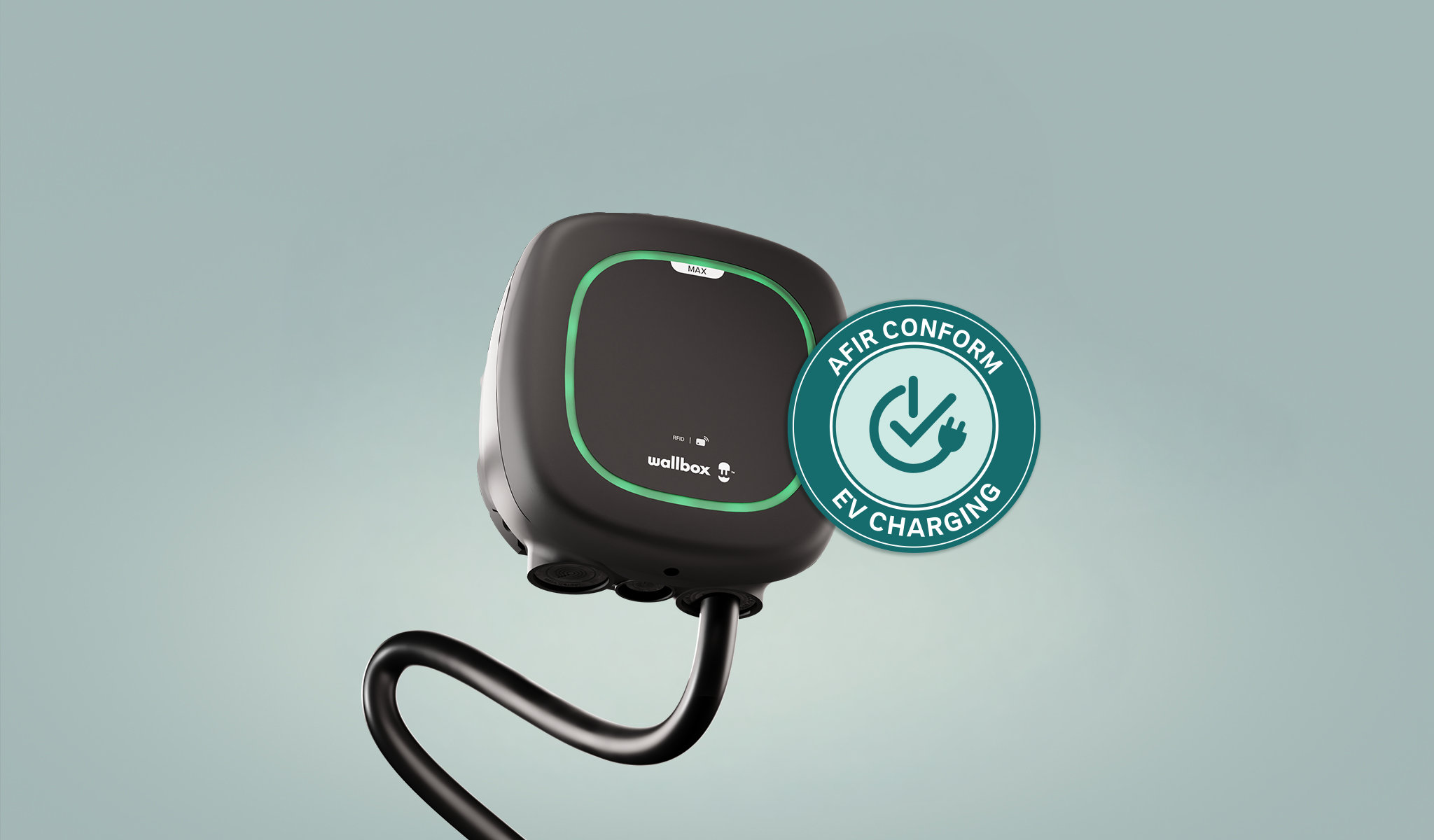
AFIR 2027 and ISO 15118: What Businesses and Installers Need to Know About EV Charging
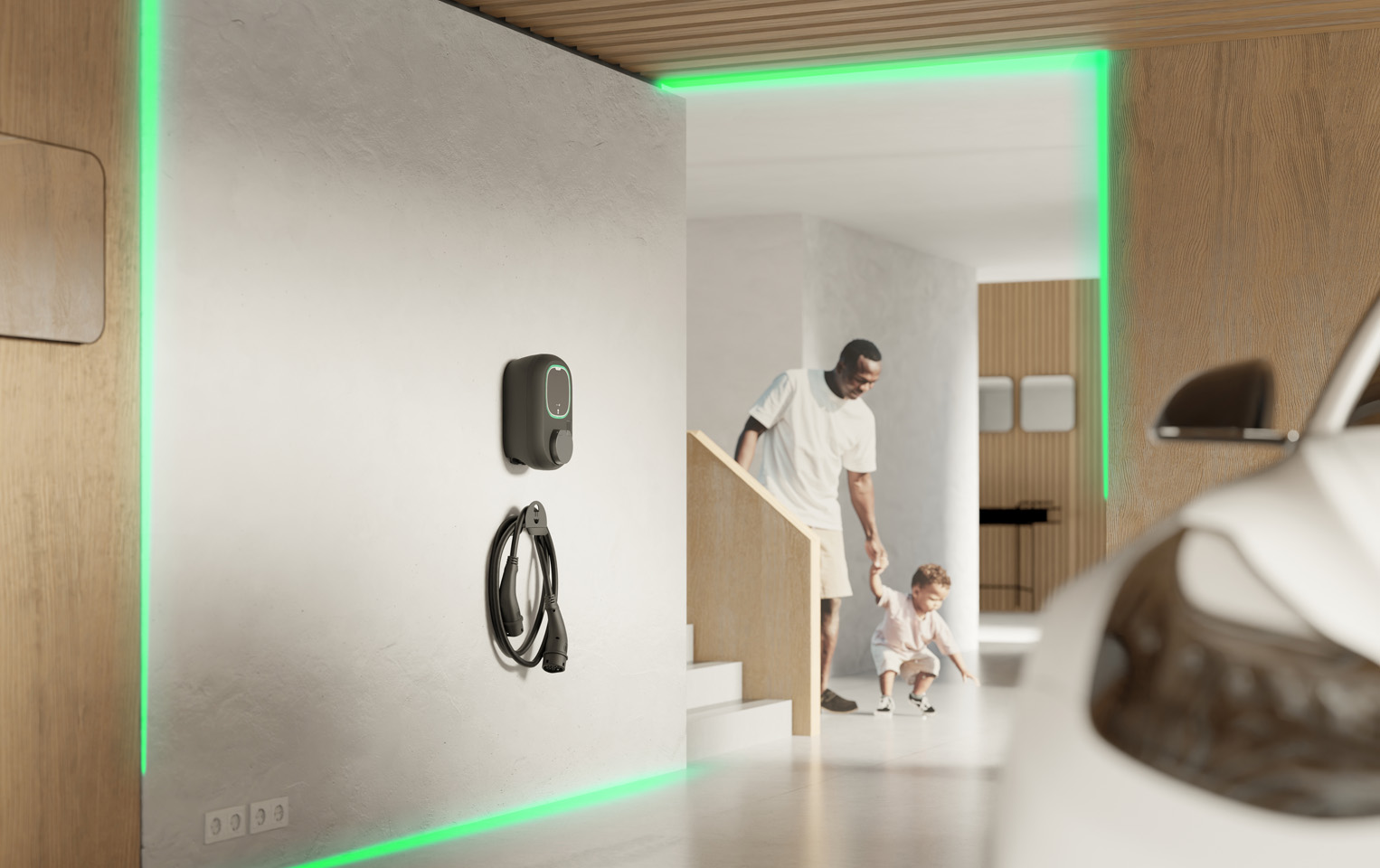
Charge Smarter, Spend Less: How Advanced Dynamic Load Management Can Cut Your Energy Costs